About Operation Theatre Laminar Flow Systems
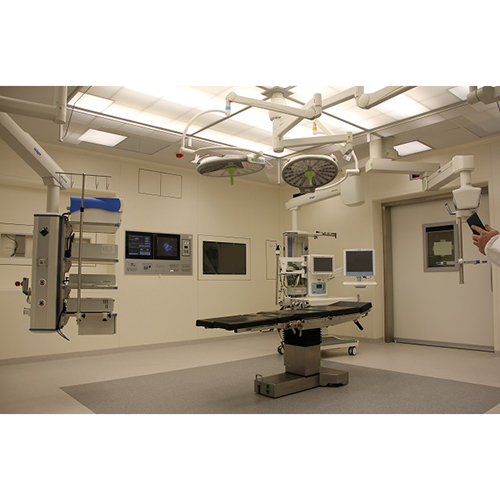
Operation Theatre Laminar Flow Systems are advanced ventilation setups designed to minimize airborne contaminants in surgical environments. They deliver ultra-clean, HEPA-filtered air in a uniform, unidirectional (typically vertical) flow from ceiling-mounted diffusers over the operating table, creating an ISO 5 sterile zone. This positive-pressure system pushes particles downward and outward, reducing bacteria, viruses, and dust that could cause surgical site infections (SSIs).
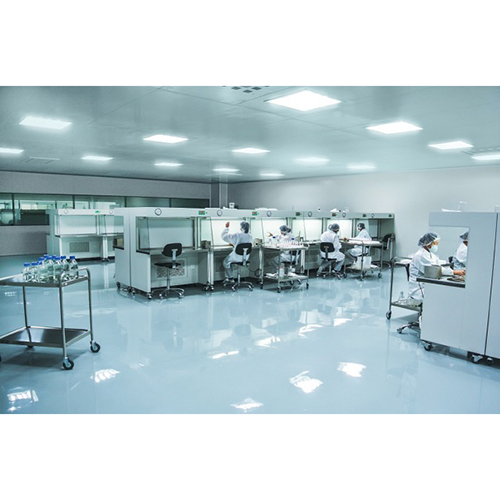
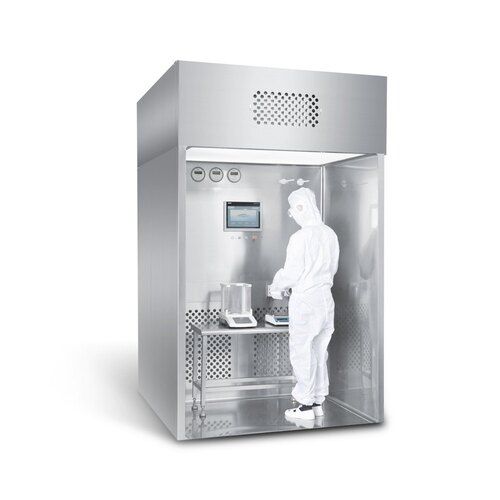
Exceptional Air Purity and SafetyMaintain the highest standard of sterility with Class 100/ISO 5 laminar flow, HEPA filtration, and UV light sterilization. The system's design prevents airborne contamination, making it ideal for critical surgical and aseptic activities. Its construction ensures reliable, low-noise operation at just 60 dB(A), creating a safe and focused work environment.
Modular Installation, Simple MaintenanceWith its modular, prefabricated build, the laminar flow system can be seamlessly installed or retrofitted into existing operation theatres. The use of stainless steel and powder-coated aluminum or MS ensures easy cleaning and minimal maintenance. Both wall-mounted and ceiling-suspended options are available, accommodating diverse surgical settings.
Smart Control for Precise OperationThe microprocessor-based touch control panel allows straightforward operation and system monitoring. Features such as real-time filter status, airflow velocity regulation (0.45 m/s 20%), and integrated LED lighting ensure both safety and efficiency. Automatic sliding or manual hinged doors and ESD flooring options add to workflow convenience and sterility.
FAQ's of Operation Theatre Laminar Flow Systems:
Q: How does the laminar flow system achieve and maintain Class 100/ISO 5 cleanliness in the operation theatre?
A: The system uses a multi-stage filtration process (pre-filter, fine filter, and HEPA filter) to remove 99.97% of airborne particles as small as 0.3 microns. The vertical or horizontal laminar airflow design continuously flushes out contaminants, while integrated UV sterilization further disinfects the air, ensuring Class 100/ISO 5 standards are consistently achieved.
Q: What is the process for installing this modular laminar flow system in a hospital operation theatre?
A: The modular and prefabricated design enables swift and efficient installation either as a ceiling-suspended or wall-mounted unit. Customization of dimensions allows the system to fit various operation theatre layouts. Professional teams handle all aspects-from delivery to integration with existing infrastructures, ensuring compliance with hospital protocols.
Q: Where is this laminar flow system commonly used, and what are its primary applications?
A: This system is typically installed in hospital operation theatres and other critical medical environments requiring aseptic processing. Its primary role is to provide a sterile workspace during surgeries or procedures where contamination control is paramount, significantly reducing infection risk.
Q: How is maintenance performed and what makes it easy to clean and service this system?
A: The high-quality stainless steel construction and smooth surfaces are designed for easy cleaning with standard medical-grade disinfectants. Access panels and systematic component layout allow for hassle-free filter changes, UV lamp inspections, and general servicing, ensuring minimal downtime for the facility.
Q: What benefits does a microprocessor-based touch control panel provide to users?
A: The touch panel offers intuitive navigation, real-time monitoring of airflow velocity, filter life, and system status. Programmable settings allow healthcare staff to operate the system efficiently, adjust parameters quickly, and receive alerts for maintenance, enhancing safety and workflow productivity.
Q: When should the filters be replaced and what factors influence their lifespan?
A: Filter replacement frequency depends on the usage intensity and the cleanliness of incoming air. Typically, pre-filters require more frequent changes than HEPA filters. The control panel tracks filter status and provides notifications when replacement is due, ensuring continuously optimal performance.
Q: What are the key advantages of choosing a modular laminar flow system for a new or existing operation theatre?
A: Modular laminar flow systems deliver flexibility, rapid deployment, and scalability. Their prefabricated components allow for fast installation, while customization ensures compatibility with diverse spaces. The combination of robust filtration, easy maintenance, and reliable sterilization enhances patient safety and operational efficiency.
 Weare open : Mon - Sat 9:00 - 18:00
 Chat with us






 Send Inquiry



 Send Inquiry

 Send Inquiry
 Send Inquiry
 Send SMS